Future-proof and independent despite a shortage of skilled workers
The shortage of skilled workers poses immense challenges for manufacturing companies. Efficiency, high quality standards and timely production – these are the key requirements that production managers have to meet today. The lack of qualified professionals increasingly jeopardizes the fulfilment of these tasks.
Production requirements
Production managers expect reliable and precise performance from their production. Machinery must function properly and undergo regular maintenance. At the same time, it is essential that machine operators are not only technically competent, but also be able to react flexibly to unexpected challenges. Many years of experience play a decisive role here: it builds up a valuable knowledge of experience that is indispensable in daily operations.
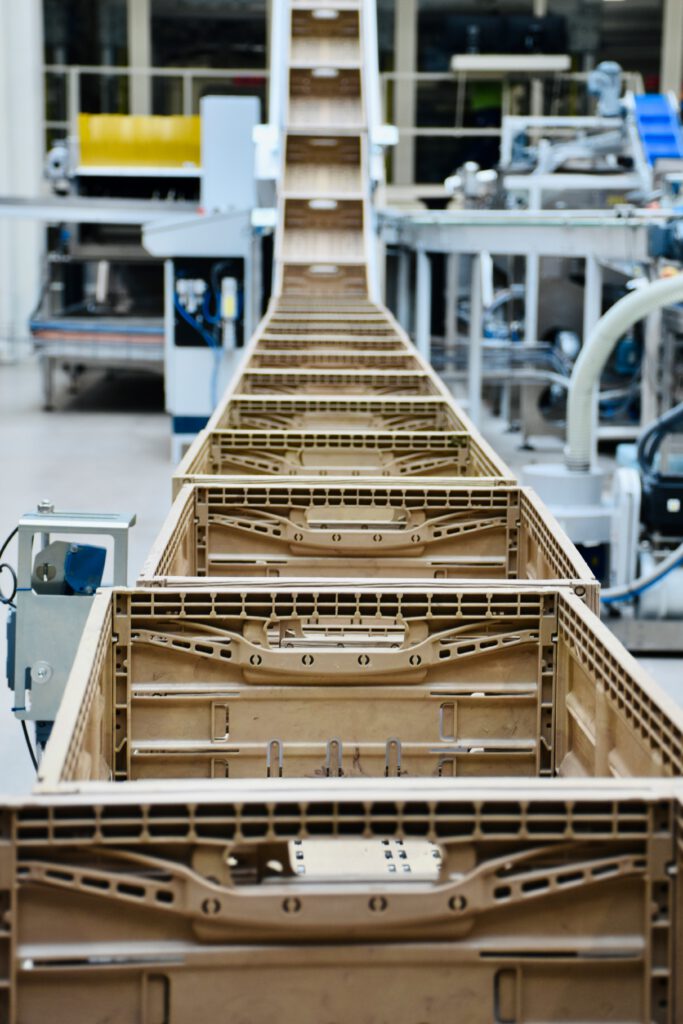
The challenges of the shortage of skilled workers
The shortage of skilled workers puts companies in a precarious position. They become dependent on experienced employees who cannot easily be replaced by less skilled workers. Understaffed shifts lead to production delays and an additional burden on the remaining staff. Companies are forced to carry out their processes through retrofitted sensors It is often at high cost and with the problem that there is a lack of experts for implementation. Competitive pressure calls for innovative solutions, but small and medium-sized enterprises (SMEs) with older machines in particular cannot make large-scale investments.
Multisensor systems as key to discharge
The search for solutions is further complicated by the shortage of skilled workers. Approaches such as outsourcing, the introduction of inspection centres or the recruitment of new personnel are often not feasible in practice.
The digitalization of critical know-how offers a promising answer: Multi-sensor systems make it possible to ensure product quality in the long term and to integrate new machine operators efficiently. These systems capture complete production processes and analyze not only obvious machine parameters, but also hidden connections in production.
Through the use of machine learning and artificial intelligence (AI), Sensor data merged and gained new insights.
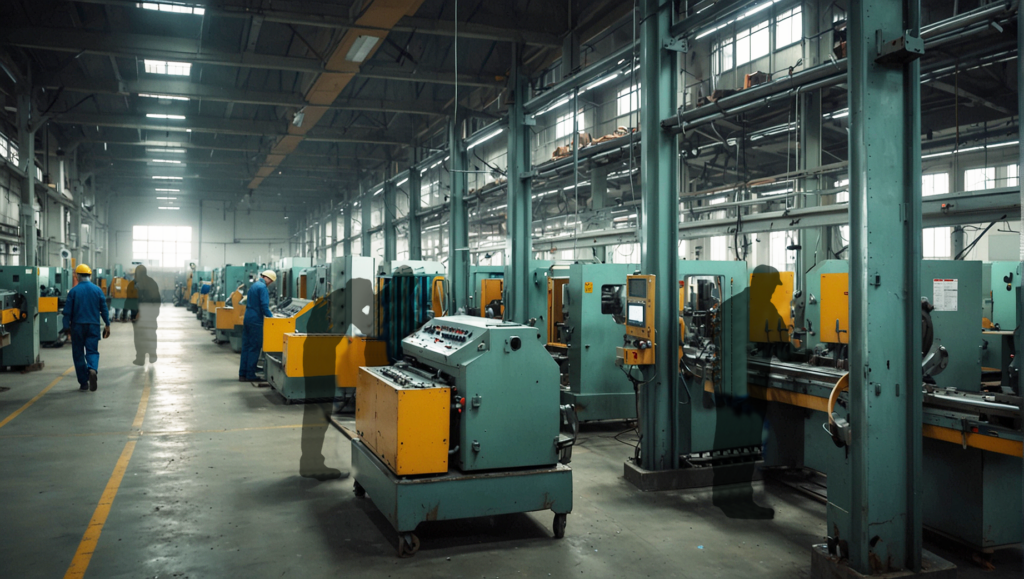
Multi-sensors in use
The multi-sensor systems are characterized by their versatility. They collect multi-layered data and represent the experience of long-standing employees. Thus, they provide effective support for less qualified personnel and enable standardization and Automation of analogue processes.
The systems can Integrate easily and flexibly during operation and are modular, which allows an individual extension. A financial risk is eliminated, since expensive complete systems or complex in-house developments are not necessary. Companies can first test the technology in a rental model and convince themselves of its benefits.
Future prospects despite a shortage of skilled workers
After the installation of the multi-sensor system, numerous possibilities for digital optimization open up. Advanced applications include:
- Real data collection and analysis to improve production performance.
- Condition monitoring with intuitive dashboards that monitor the condition of machines.
- Production planning and resource management, which is precisely based on real data.
- Integration in ERP and MES systemsto ensure seamless networking.
- Parameter acquisition for machine learning and AI modelswhich continuously generate new optimizations.
- Predictive maintenance, mit der Ausfälle durch vorausschauende Wartung vermieden werden.
With multi-sensor systems, companies create a sustainable basis to meet the challenges of the shortage of skilled workers, optimize their production and remain competitive in the long term.

